Why Gums Bleed and Breath Turns Bad
Your mouth is home to hundreds of types of bacteria. Most are harmless, but when plaque (a sticky film of bacteria) builds up along the gumline, it can irritate the gums. The most common result is gingivitis: red, puffy gums that bleed easily when you brush or floss.
The same bacterial buildup, especially on the back of the tongue and between teeth, is also one of the most common causes of persistent bad breath. Dry mouth, certain foods, smoking and some health conditions can play a role too.
The good news: gingivitis is often reversible with better daily care and professional cleanings. Left alone, it can progress to more serious gum disease, which is why it's worth taking early signs seriously.
The Basics That Matter Most
Before considering any supplement, these habits have the strongest track record:
- Brush twice a day for two minutes with a fluoride toothpaste and a soft brush, angled toward the gumline.
- Clean between your teeth daily with floss, interdental brushes or a water flosser.
- Clean your tongue, especially toward the back, to help with breath.
- See a dentist regularly for exams and professional cleanings. Only a professional can remove hardened tartar.
- Limit sugary snacks and drinks, stay hydrated, and avoid tobacco.
What Oral Probiotics Are, and Do They Work?
Oral probiotics, sometimes sold as dental probiotics, are supplements containing live "good" bacteria, usually in a lozenge or chewable tablet that dissolves in the mouth. The idea is to support a healthier balance of bacteria, often called the oral microbiome, where problems start: on the teeth, gums and tongue. Unlike gut probiotics swallowed as capsules, they're designed to work in the mouth.
Some specific strains, such as Lactobacillus reuteri, have been studied for gum health and breath. Results so far have been encouraging but modest and mixed, and studies are often small and short. Researchers generally view oral probiotics as a possible complement to good oral hygiene, not a substitute for it.


Probiotics for Bad Breath: What the Studies Show
Bad breath is mostly caused by bacteria on the tongue and between teeth that release sulfur compounds. The idea behind probiotics for bad breath is to crowd out some of those odor-causing bacteria with friendlier ones.
The most studied strain for breath is Streptococcus salivarius K12, a bacterium that naturally lives in healthy mouths. Small studies have reported reductions in breath odor measures, and some research on Lactobacillus strains points the same way. But the studies are small and short, and results vary from person to person.
In practice: an oral probiotic for bad breath works best after the basics are in place, especially daily tongue cleaning and cleaning between teeth. See our guide on how to get rid of bad breath.
What to Look For in the Best Oral Probiotics
- Named strains on the label, not just "probiotic blend". Strains studied for oral health include L. reuteri (gums) and S. salivarius K12 and M18 (breath and plaque).
- A format that dissolves in the mouth (chewable or lozenge), so the bacteria reach your teeth and gums
- Low or no added sugar
- Realistic claims and a clear supplement disclaimer
- A clear refund policy, so you can try it with less risk
- A cost you can sustain, since probiotics only work while you keep taking them
A Closer Look at ProDentim
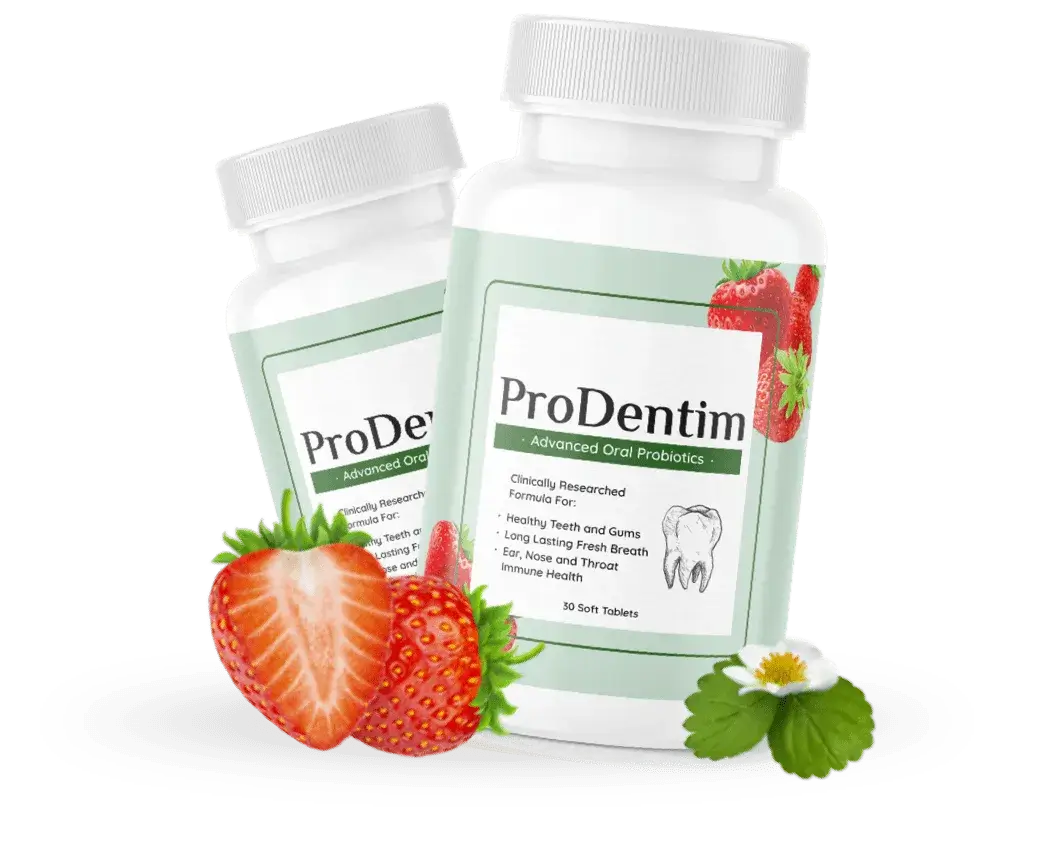
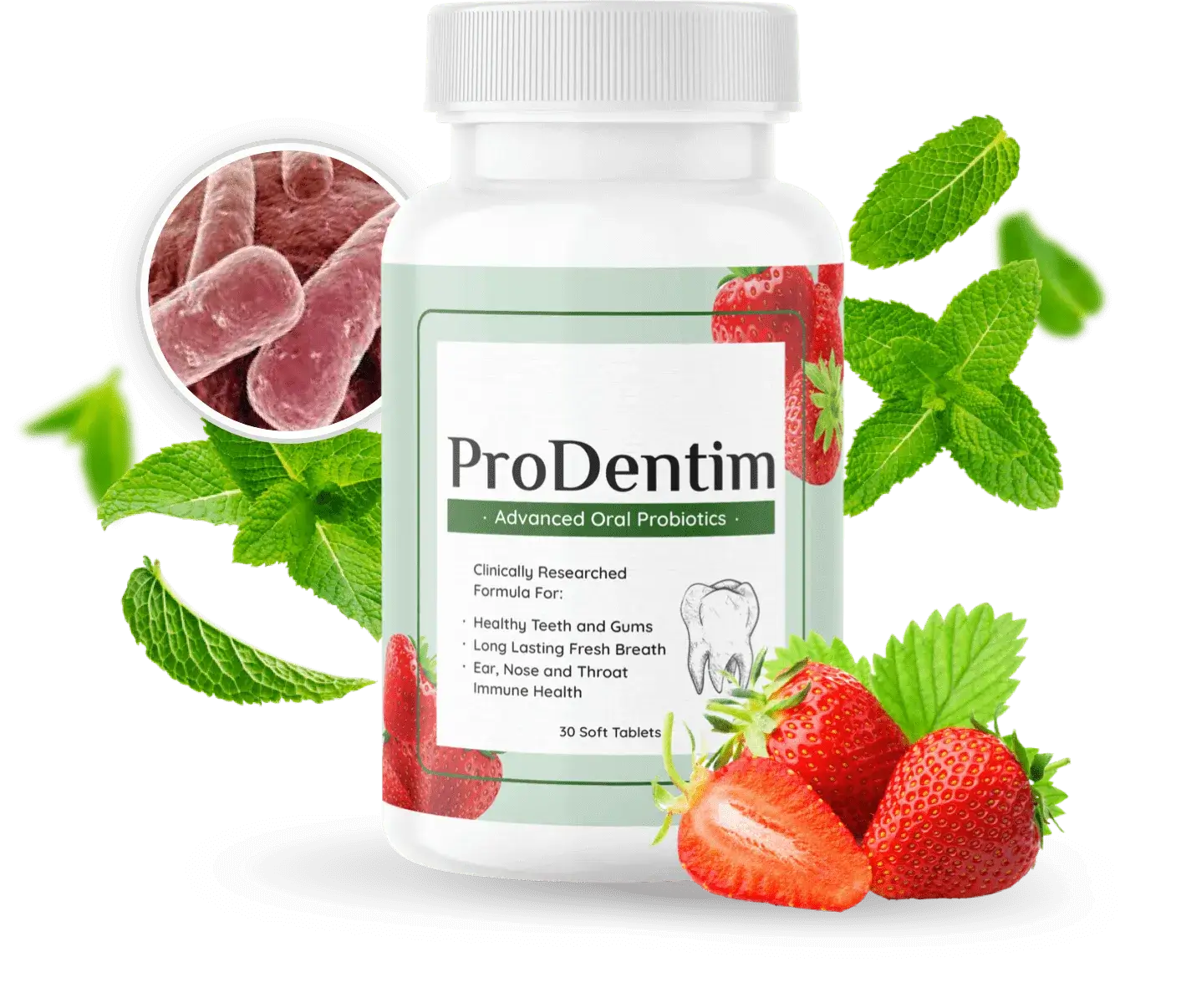
ProDentim is one of the most widely marketed oral probiotics online. It's a chewable tablet sold through ClickBank. Here's what the seller says it contains and how it's meant to be used:
| Format | Chewable tablet, one per day (seller recommends the morning) |
| Probiotic strains | Lactobacillus paracasei, B. lactis BL-04®, Lactobacillus reuteri (3.5 billion total, per the seller) |
| Other ingredients | Inulin (prebiotic fiber), malic acid, tricalcium phosphate, peppermint |
| Refund policy | 60-day money-back guarantee, according to the seller; orders and refunds are processed by ClickBank |
| Price | Sold in multi-bottle packages; check the seller's page for current pricing and shipping |
Based on the seller's sales page at the time of writing. Ingredients, packages and policies may change.
What we like
- Lists its probiotic strains by name
- Includes L. reuteri, a strain that has been studied for oral health
- Chewable format that works in the mouth
- 60-day refund window lowers the risk of trying it
What to keep in mind
- The sales page leans on research about individual ingredients, not studies of the finished product
- Marketing is very promotional; expectations should stay realistic
- Ongoing cost if you keep using it
- Not a treatment for gum disease and no replacement for dental care
Who might consider it
Adults who already brush and floss consistently, have seen a dentist, and want to try an oral probiotic as an extra step for fresher breath and gum comfort.
Who should skip it or ask a doctor first
Anyone with active or advanced gum disease (see a dentist first), people who are pregnant, nursing or immunocompromised, and anyone taking medication or managing a medical condition.